


Instrument Rating Course
Head in the Clouds
Instrument flying demands precision, situational awareness, and solid decision-making. That starts on the ground.
Is This Course Right for You?
You’re in the right place if you want more than IFR test prep. Instrument training tends to be bookish, heavy on rules and procedures, but light on how it all comes together in the cockpit. This course bridges that gap.
On instruments, flying is only half the job. IFR flying demands aviating, navigating, communicating, planning, and briefing — all without outside visual reference. The reward is the confidence that you can stay safe, even when you can’t see outside.
Our Training Philosophy
Instrument flying is busy and complex. We prioritize building your instrument flying mental model — aircraft control, situational awareness, contingency planning, and decision-making.
Here’s what’s in your course.
Simple, Effective Lectures
Concise online lectures that use a virtual blackboard style to help you grasp complex aviation concepts.
Full access to our resources library.
Access to our extensive resource library, featuring over 40 visual handouts, more than 200 review questions, and comprehensive study guides.
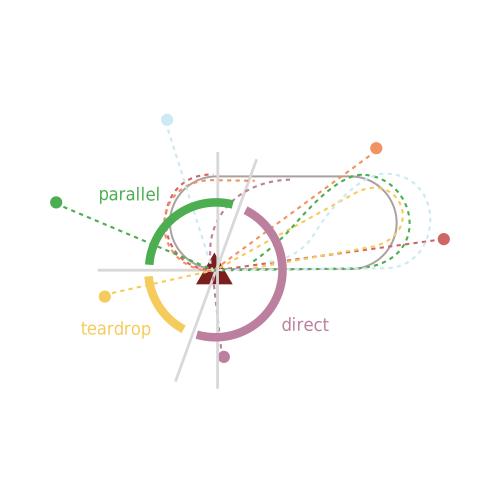
Simple, Effective Lectures
Concise blackboard-style lectures that break down complex IFR concepts visually.
Knowledge Test Endorsement
Graduates receive an endorsement for the FAA Instrument Rating Airplane (IRA) written test.
Expert Instructors
Built by pilots with real-world IFR experience in everything from steam-gauge singles to the Boeing 737.
Practical Scenarios
IFR planning exercises and decision-making scenarios that go beyond textbook theory.
Instructor Access
Message your instructor directly through our built-in chat whenever you have a question.
Resource Library
Over 40 visual handouts, 200+ review questions, and comprehensive study guides.
Get Instrument and More
The Instrument Rating course is included in our Learner package, along with Private, Commercial, and Multi-Engine.
Basic
For pilots in the early stages—while you’re still deciding if flying is for you.
$33/mo
Pause or cancel anytime.
What’s Included:
- Student Pilot Course
- Study with our iOS App
- Message your instructor
- Full access to the content library!
Learner
For pilots actively pursuing a certificate or rating, and especially those on a career track. Our most popular package.
$49/mo
7 day free trial. Pause or cancel anytime.
What’s Included:
- Everything in Basic, plus:
- Private Pilot Course
- Instrument Rating Course
- Commercial Course
- Multi-Engine Course
- Learn with classmates
- FAA Knowledge Test Endorsements
Aviator
For career pilots and lifelong learners. Lifetime access to every course—including future releases.
$573
Lifetime Access.
What’s Included:
- Everything in Learner, plus:
- Lifetime access
- The Airline Course
- Enrollment in all future courses.
Course Overview
Learning Objectives
- Understand how to translate VFR stick-and-rudder skills to the instrument environment
- Improve weather proficiency to include knowing when it’s not safe, even with an instrument rating
- Competence in IFR planning and decision making
- Understanding the general structure of the instrument environment, including regulations
- Proficiency in IFR procedures including ground operations, takeoff, departures, en-route, arrivals, and approaches
Time Commitment
Dedicate 30-40 hours of study in total. 5 hours per week, for 8 weeks total is a good pace.
Quizzes & Exams
Test your knowledge with 10 review quizzes and 2 comprehensive end of course exams.
Graduation
Once you score 90% or better on at least two end of course exams, you’ll be issued a graduation certificate and written test endorsement!
Instructor
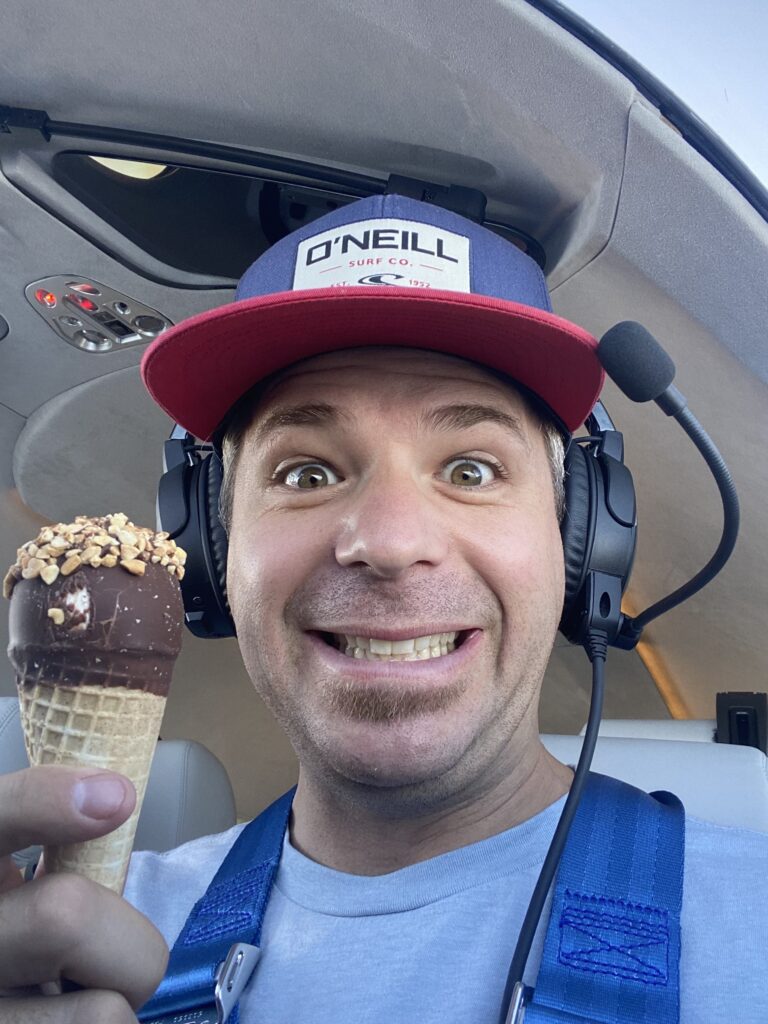
Andrew Moon
Andrew is an experienced Certificated Flight Instructor — Instrument (CFII) and Airline Transport Pilot (ATP) and spends lots of time in challenging weather flying a variety of light singles, twins, and jets.
Frequently Asked Questions
-
What is an instrument rating?
An instrument rating is a qualification added to your Private or Commercial certificate that allows you to fly under instrument flight rules (IFR). It’s essential for any career-track pilot, and it’ll make you a better, safer VFR pilot too.
-
What are the prerequisites for this course?
There are no course prerequisites. Earning the rating itself requires meeting the eligibility requirements in 14 CFR §61.65, which includes at least a Private Pilot certificate and (with exceptions) 50 hours of cross-country time.
-
How does this compare to other instrument ground schools?
Instrument training tends to be bookish — heavy on rules and procedures, light on how it all comes together in the cockpit. We focus on building a real IFR mental model so you understand what’s happening and why, not just what the textbook says. Your instructor is a message away if you get stuck.
-
What written test will this course prepare me for?
The FAA Instrument Rating Airplane (IRA) knowledge test. Graduates receive a written test endorsement upon completion.
-
Does having an instrument rating mean it’s safe to fly in all weather conditions?
No, and it’s important to recognize this. A significant part of instrument training involves learning when it’s safe to fly and when it’s not. Our course focuses on developing the skills to navigate in adverse weather while recognizing the limits of the pilot and the airplane.
-
Do you offer a free trial?
Yes. We offer a one-week free trial on the Learner package so you can experience the course content and see if it works for you before committing.